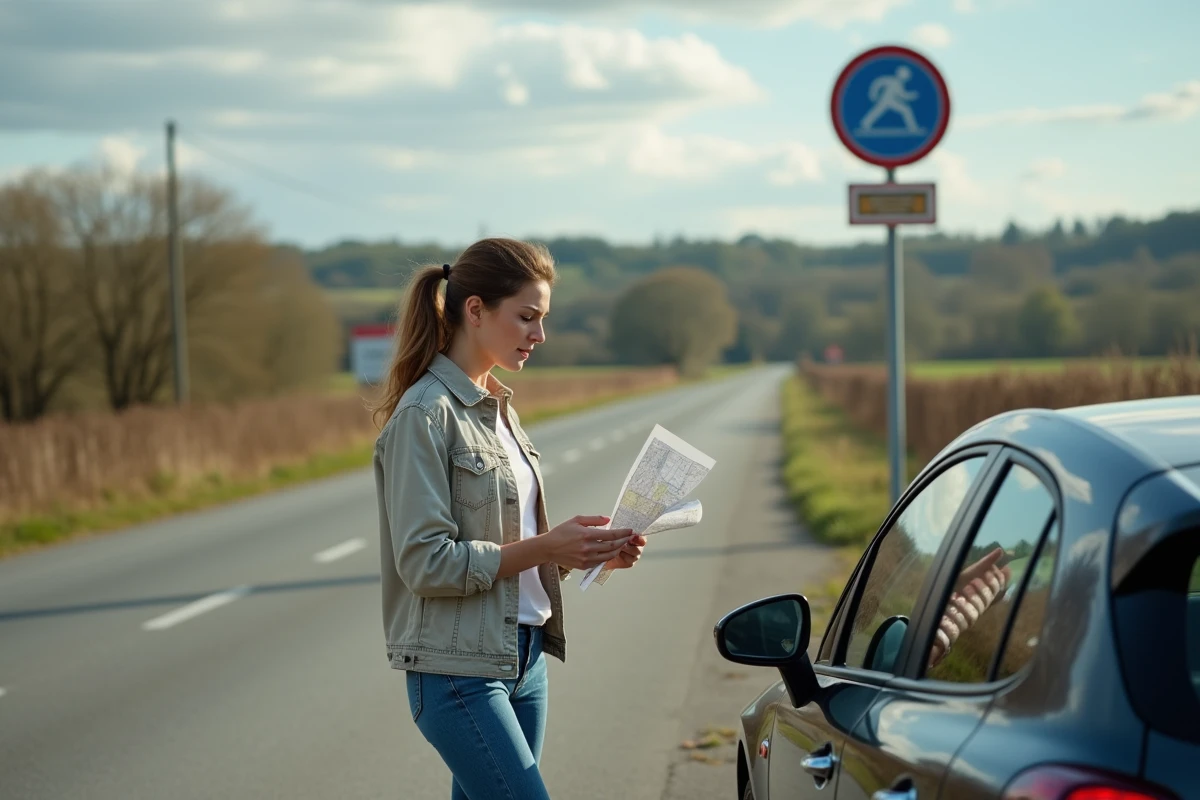
The reserve light usually comes on when the fuel level reaches about 5 to 6 liters in the Renault Twingo 3. This indication does not correspond to a universal measurement: the actual distance possible varies according to driving style, type of journey, and the condition of the vehicle.
Ignoring the reserve does not necessarily lead to an immediate breakdown. However, continuing to drive in this situation exposes you to certain inconveniences and an increased risk of damaging some mechanical components, particularly the fuel pump. Therefore, managing this safety margin remains essential to avoid unpleasant surprises.
Understanding the fuel reserve on the Renault Twingo 3: capacity and operation
The fuel reserve on the Renault Twingo 3 is not left to chance. When the light comes on, the driver has a safety margin of between 5 and 6 liters of fuel. This threshold does not vary according to the trim or version: it is a constant for this model. The tank actually has a total capacity of 35 liters. The electronic management system prioritizes an early alert to avoid running out of fuel and the damage that can result to the mechanics.
The principle of the fuel reserve function is clear: to allow enough kilometers to reach a gas station without damaging the fuel pump or the engine. With an average consumption of around 5 to 6 liters per 100 kilometers, you can generally expect a remaining distance of 80 to 100 kilometers at a constant speed once the light is on. This estimate remains indicative: it depends on traffic, terrain, load on board, and driving mode adopted.
For those who want to go further, the fuel reserve autonomy Twingo 3 is extensively detailed in specialized guides, including “Fuel Reserve Autonomy Renault Twingo 3: Maximum Distance and Tips – Automotech.” You will find concrete situations and useful recommendations to anticipate refueling. Knowing how this system works and where its limits are helps to enjoy the Renault Twingo fuel reserve without damaging the engine or the fuel system.
How far can you drive once the reserve light is on?
As soon as the fuel reserve light illuminates on the Twingo 3, a question arises: how many kilometers can be traveled before a complete stop? The answer generally lies between 80 and 100 kilometers, taking into account the instant fuel consumption and traffic conditions. This estimate comes from the remaining capacity of the tank (about 5 to 6 liters), demonstrating Renault’s intention to provide a reserve autonomy sufficient to avoid running out of fuel, whether on a small road or in the city.
Several factors come into play and affect the distance that can be traveled on reserve. Speed directly influences autonomy: on the highway, consumption increases and the possible distance decreases. In urban areas, frequent stops, traffic, load carried, or terrain can also disrupt consumption and thus autonomy. Conversely, a smooth driving style, without sudden accelerations or braking, allows you to make the most of the reserve.
To better visualize the effect of each factor, here are some common situations:
| Factor | Influence on reserve autonomy |
|---|---|
| High speed | Decreases maximum distance |
| Smooth driving | Increases autonomy |
| Loaded weight | Can reduce distance traveled |
The fuel reserve autonomy therefore varies according to the reality of the journey. Experience reminds us that it is best to stay alert as soon as the light comes on. The last kilometers should be approached with caution: monitor the gauge, anticipate refueling, and adjust your driving, especially if the terrain or traffic complicates matters on your Twingo.
Risks, precautions, and tips for managing driving on reserve
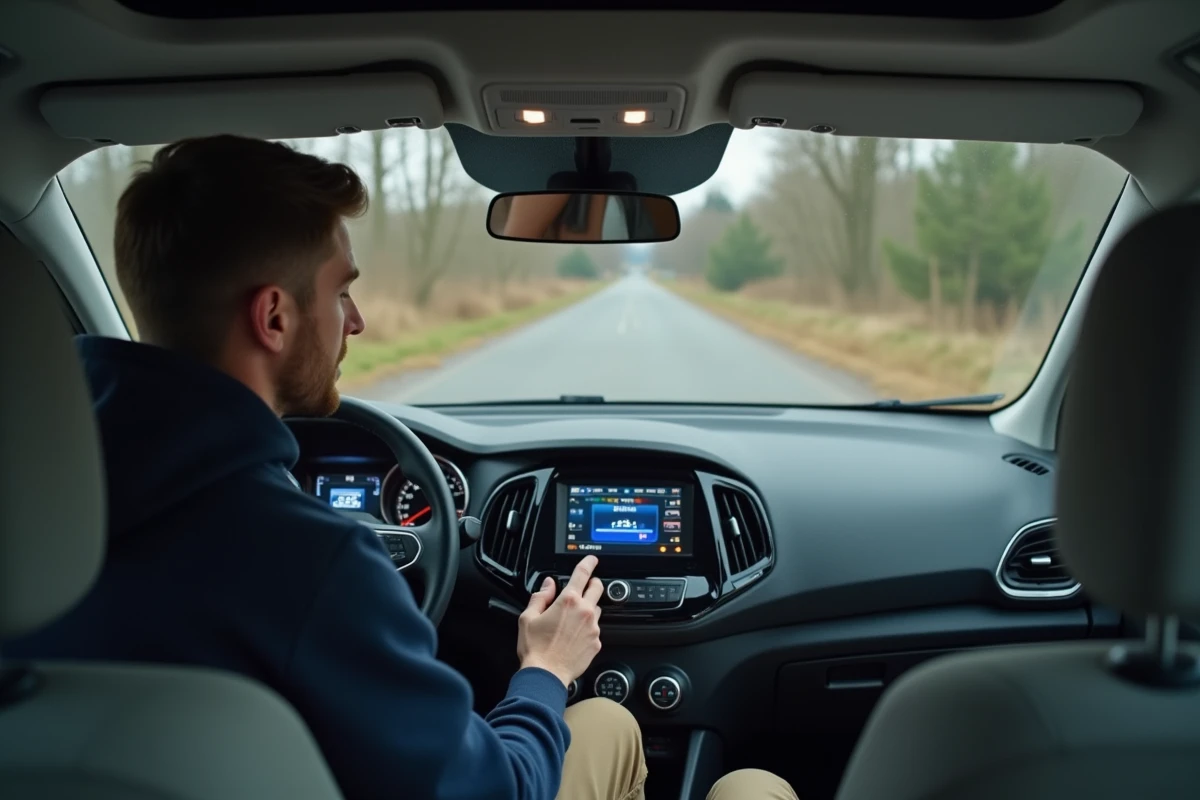
Driving on the fuel reserve of a Renault Twingo 3 is never completely trivial. In case of carelessness, running out of fuel is a threat. But that’s not all: the fuel pump then draws from the bottom of the tank, where impurities accumulate. Over time, this accelerates the clogging of the fuel system and can lead to costly repairs.
The fuel reserve signal lights up when there are about 5 to 6 liters left in the tank, which should be enough to reach a gas station without rushing. However, many factors can affect the remaining distance: traffic, air conditioning, tire condition, or outside temperature influence consumption.
Optimizing reserve autonomy: some reflexes
To secure your last kilometers on reserve, adopt the right habits:
- Reduce speed and drive smoothly: this slows down fuel consumption.
- Check the tire pressure: properly inflated tires limit rolling resistance.
- Limit sudden accelerations and unnecessary braking, which increase consumption without valid reason.
- Get into the habit of spotting gas stations on your route.
Prudence remains essential: an unexpected stop on the road can quickly turn into a hassle, especially at night or in sparsely populated areas. Maintain your vehicle, regularly monitor the gauge, and anticipate your trips to avoid the stress of the reserve. These simple actions extend autonomy and protect the mechanics of your Twingo. Knowing how to balance boldness and vigilance is key to keeping the road without unpleasant surprises until the next gas station.