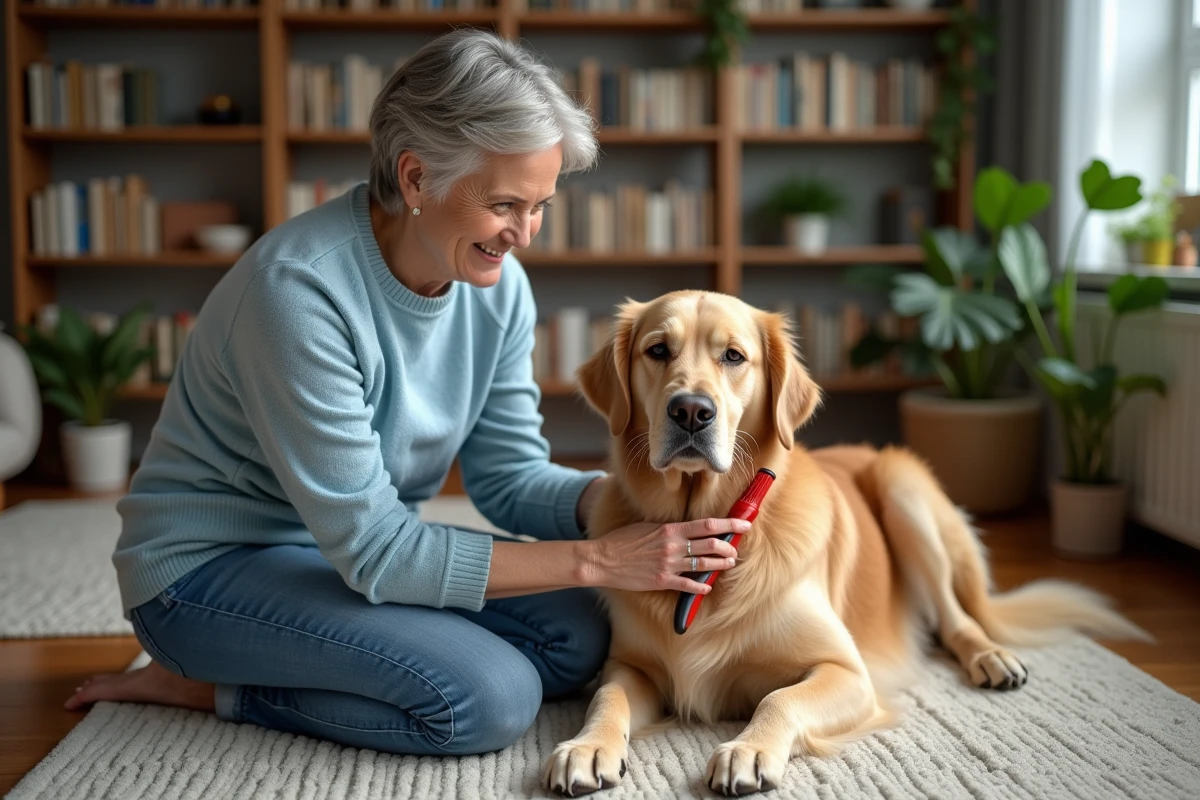
Atypical behaviors persist in some domestic species despite generations of cohabitation with humans. Some distress signals go unnoticed, even among experienced owners. Feeding, socialization, or stress management mistakes continue to cause avoidable issues.
Veterinary recommendations are regularly evolving, incorporating new discoveries about the mental and physical health of animals. Practices long considered beneficial sometimes turn out to be unnecessary or even harmful in light of current knowledge.
Understanding your pet’s fundamental needs: much more than just companionship
Living with an animal is not just about sharing a roof or a few tender moments. Each species, from dogs to rabbits, has its own expectations and unique sensitivities. Animal welfare is never limited to a full bowl or a few strokes: it is a set of conditions to be met to preserve both the physical health and emotional balance of your companion.
It involves being attentive to proper nutrition, mental stimulation, and physical activity. A dog needs walks, playtime, and a reassuring environment. A cat requires varied spaces, heights, hiding spots, and a well-defined rhythm. As for rabbits, rodents, or birds, they require impeccable hygiene, vigilance against parasites, and gentle socialization to minimize stress.
Caring for an animal also means establishing a stable routine, providing a living space suited to its instincts, and monitoring any changes in diet. Regular visits to the veterinarian are essential, as are updates on vaccinations and parasite treatments. Taking out pet insurance allows you to act quickly without sacrificing the quality of care in case of unforeseen events.
According to bloganimaux.com, a pet must be able to express its natural behaviors, be protected from hunger, illness, pain, stress, and abandonment. Meeting these expectations reduces the risk of mistreatment and strengthens the unique bond that connects the animal to its guardian.
Why listening and observing transform the relationship with your companion
It all starts with observation: watching your animal means entering its world, understanding its signals, movements, and silences. Whether it’s a dog looking away, a cat isolating itself, or a rabbit frozen in place, these signs tell much more than they seem. Noticing the slightest variation can sometimes prevent suffering before it sets in.
Active listening makes all the difference. Be careful, it’s not just about talking or giving orders: each species has its own codes. Meows, barks, silences, or behaviors are all messages to decode. This vigilance paves the way for a kind education, far from power struggles, and encourages socialization, play, and daily serenity.
Some simple reflexes allow for appropriate actions:
- Daily observation of behavior, eating habits, and sleep patterns.
- Spotting changes, even minor ones: withdrawal, aggression, lethargy, loss of appetite.
- Reacting without delay, discussing with the veterinarian if necessary.
Affective bonds are built through daily gestures: petting, play, shared routines. Ensuring mental stimulation through environmental enrichment or discovering new activities supports their psychological balance. Observing is never passive: it is engaging, every day, in a respectful and vibrant relationship, where both the animal and the human find their place.
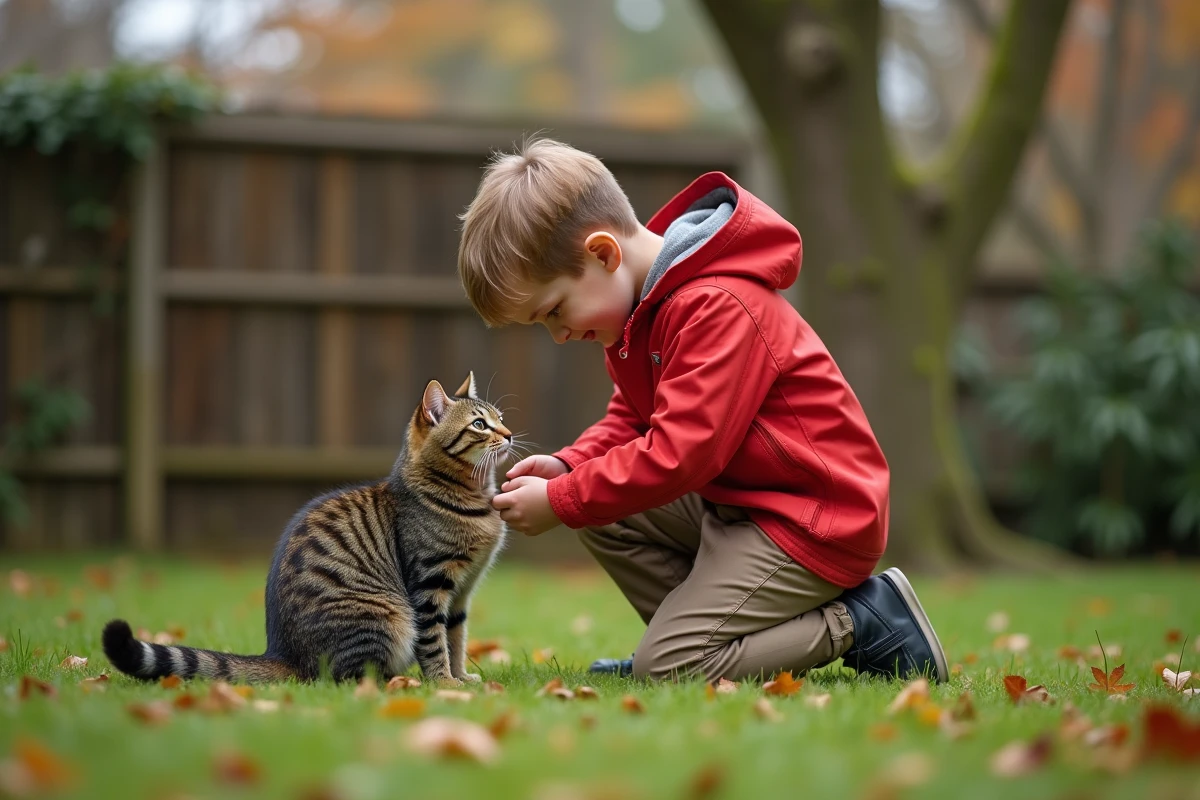
Simple daily actions to promote their health and happiness
Focusing on hygiene and thoughtful nutrition transforms the animal’s life. Adapting meals to age, breed, size, and physical condition, offering a varied but not excessive diet, respecting the natural rhythm of each species: these are all attentions that make a difference. When it comes to changing kibble or food, it’s better to introduce the new gradually, so as not to disturb the digestive balance.
Enriching the territory does not require a complete upheaval of your home, but a few simple actions are enough:
- A cozy corner for them, some toys, a scratching post for the cat, a daily walk for the dog.
- For small animals, adapting the space to their specific needs: cleanliness, fresh water every day, regular cleaning of litter and accessories.
Finally, some reflexes protect your pet’s health throughout the year:
- Keep vaccinations up to date and respect reminders: prevention remains the best ally against infections.
- Consider spaying/neutering, which reduces certain tumor risks and prevents unwanted behaviors.
- Act against parasites by using recommended treatments.
Annual visits to the veterinarian allow for early detection of pain or health issues. Reacting quickly can prevent many complications. Planning for pet insurance means choosing peace of mind in the face of the unexpected. Ultimately, these daily actions and constant attention are the key to lasting animal welfare, far from constraint or automatism. Providing your companion with the life it deserves also means creating unforgettable memories together, and nothing can replace that.