Reptiles, with their stunning diversity and prehistoric appearance, evoke both admiration and apprehension among humans. These creatures, which have inhabited the Earth for millions of years, showcase an incredible range of species, from venomous snakes to majestic lizards. Their unique behaviors and astonishing adaptations fascinate researchers and nature enthusiasts alike. For many, reptiles remain enigmatic and even frightening animals, surrounded by myths and misunderstandings. This ambivalence reflects a lack of knowledge that, once addressed, can lead to better coexistence between humans and these survivors of the Mesozoic era.
Reptiles, a world between myths and realities
Planète Animaux provides us with a comprehensive overview of the class of reptiles, this group of animals that inhabit every corner of our planet. With their scaly and waterproof skin, these ectotherms reproduce either oviparously or viviparously and primarily have a carnivorous diet. Snakes, whether venomous or not, turtles, both terrestrial and aquatic, and crocodiles, formidable predators, make up this mosaic of life that, far from fables and legends, offers a glimpse into terrestrial biodiversity. Think of the sea serpent, a mythical creature, that swims in the collective imagination as much as in the murky waters of fiction.
The green anaconda, which can reach lengths of nearly 9 meters, and the reticulated python, considered the longest snake in the world, are often at the center of the most chilling tales. But these giants are merely an exaggerated reflection of an ancient fear. The titanoboa, a prehistoric snake over 12 meters long, also sends shivers down spines, but belongs to a bygone past. Today, the diversity of reptile species, from snakes to lizards to turtles, reveals a fascinating world that deserves attention and respect.
Be aware of the complex relationships among these animals: reptiles include testudines (turtles), crocodilians, squamates (snakes and lizards), and rhynchocephalians, which include only the tuataras. These classifications are not superfluous taxonomic details, but crucial information for understanding the evolution, adaptation, and ecological role of each species within their respective ecosystems. A precise understanding of these creatures helps dispel myths and build a relationship based on mutual understanding rather than distrust and aversion.
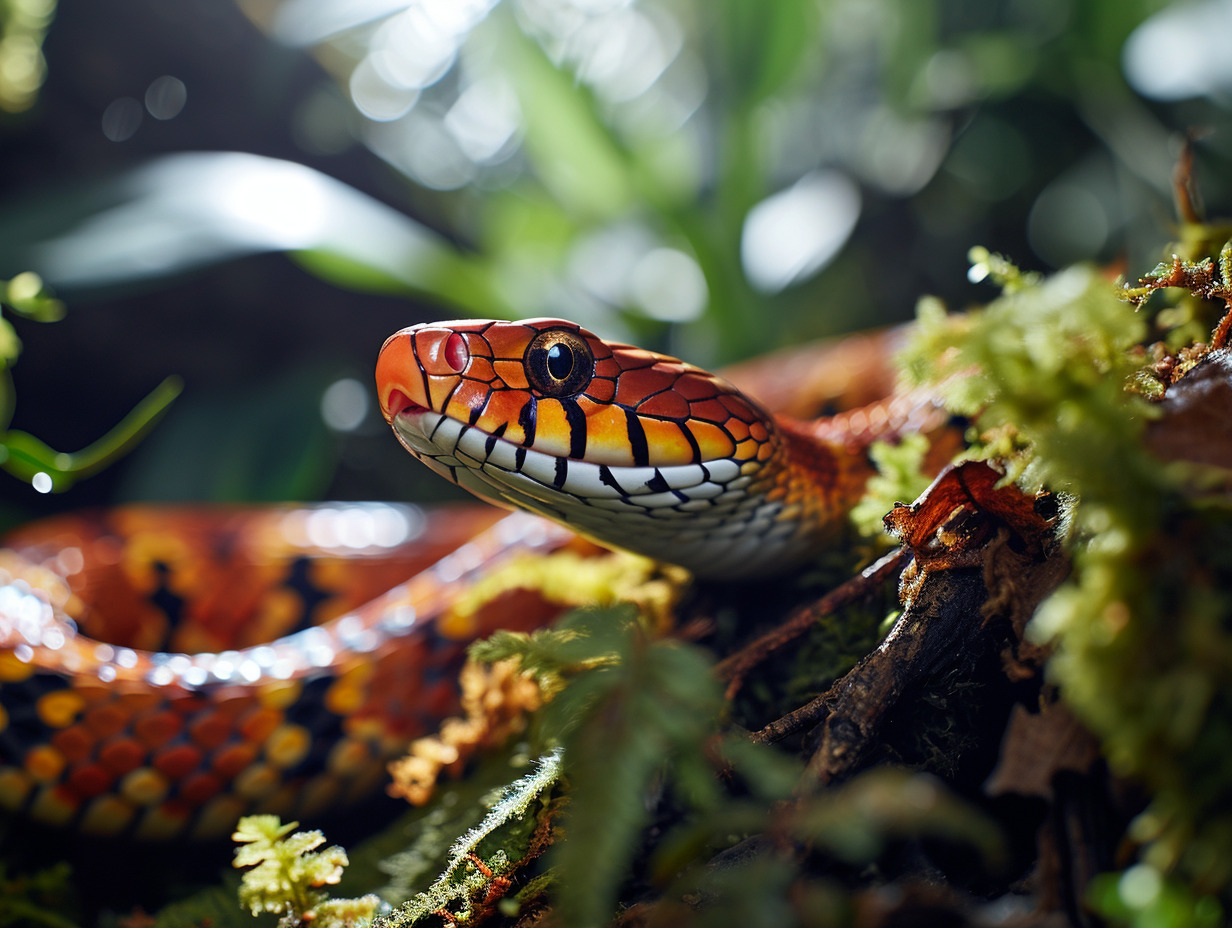
Human-reptile coexistence: issues, challenges, and education
Understanding the coexistence between humans and reptiles requires an analysis of prejudices and irrational fears, such as herpetophobia or the specific ophiophobia. These phobias, often rooted in folklore and amplified by the media, fuel distrust towards these creatures. Unravel the causes of these fears: they are multiple and complicated by a lack of education and knowledge about the biology and behavior of these species.
The illegal trade in reptiles represents another challenge. Victims of trafficking for their skin, meat, or as pets, many species are threatened with extinction. The IUCN Red Lists assess the threat to these animals and highlight the need for concrete actions for their conservation. Follow the recommendations of specialists: protective measures must be strengthened to preserve these living beings essential to biodiversity.
Education plays a key role in changing perceptions. The introduction of educational programs in schools, the dissemination of documentaries, and the creation of meeting spaces like zoos can transform fear into fascination. Raise awareness of the importance of reptiles in food chains: they are both predators and prey, essential links in maintaining ecological balances.
Conserving natural habitats proves to be a cornerstone for the survival of reptiles. Climate change, intensive agriculture, and the destruction of natural environments threaten the lives of many species. Engage in reforestation efforts, wetland restoration, and combating pollution. These collective efforts are vital to provide a future for reptiles, these beings who, far from being the monsters of our nightmares, are valuable witnesses to the evolutionary history of our planet.