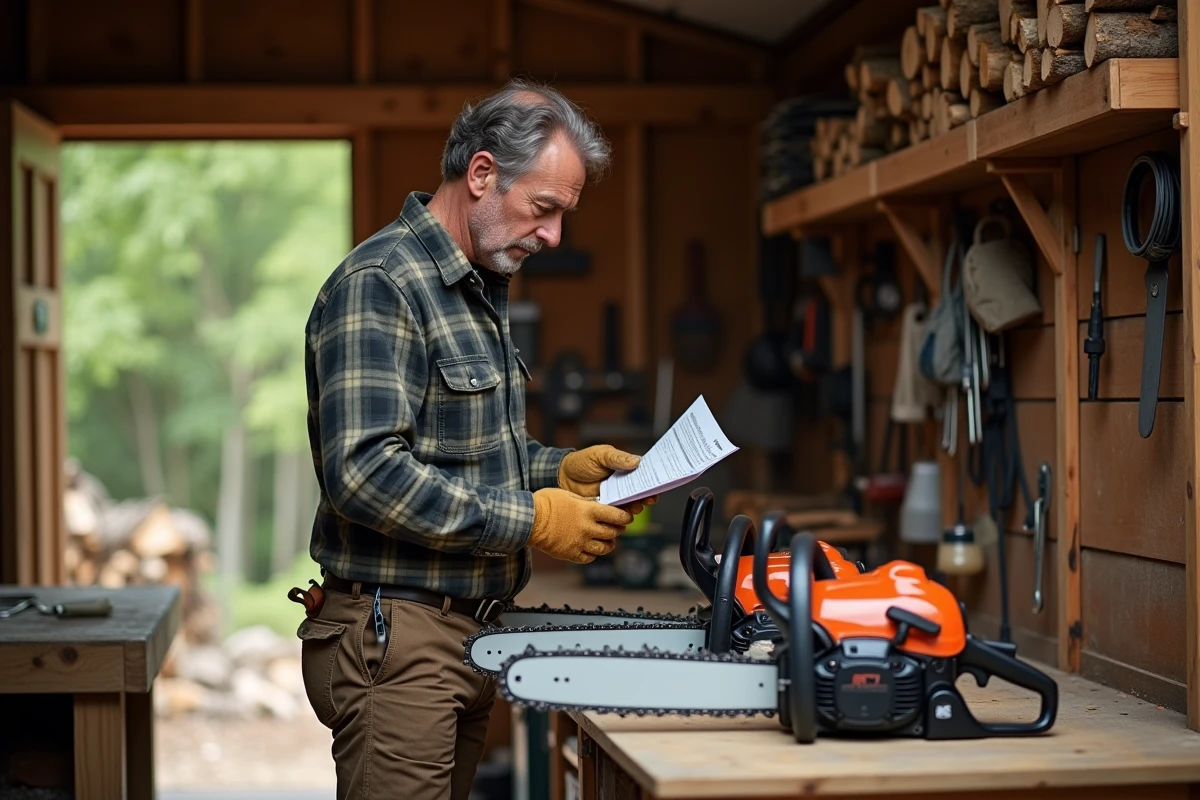
A thermal model delivers significantly more power than an electric version, but this gain comes at the cost of maintenance, noise, and sometimes maneuverability. Low kickback chains do not turn the chainsaw into a harmless tool, but they reduce the likelihood of unexpected reactions. It’s unnecessary to believe that a longer guide bar systematically optimizes cutting: for light work or initial trials, it can even complicate the task.
As options multiply, it becomes easy to lose your bearings. Every technical detail impacts performance, ease of use, and safety level. The right choice depends as much on the nature of the work as on the hand that holds the machine.
Discovering the world of chainsaws: types, uses, and user profiles
The chainsaw is not limited to a mechanical saw. Making the right choice starts with precisely identifying your needs and assessing what you are ready to handle. For everyday tasks, the electric chainsaw appeals due to its lightness, quiet operation, and simplicity. It is perfect for maintaining the garden, cutting a few branches, or performing occasional pruning.
On the other hand, the thermal chainsaw becomes essential when power or autonomy comes into play. Felling trees, cutting firewood, working on a remote plot: it is up to the task. The choice of the guide bar length is not a detail: short for precise cuts on branches and small trees, long for tackling thicker trunks.
There are also hybrid devices, between pole pruner and traditional chainsaw. The pole chainsaw makes it easier to cut branches at height without climbing a ladder, thereby reducing the risk of accidents. As for compact models, they are suitable for those looking for simplicity and quick handling for occasional interventions.
To navigate through the options, one must consider the frequency of use, the type of work envisioned, and experience. Between amateur gardeners, rural homeowners, or professional pruners, needs vary. Comparative tools like https://www.tronconneuse.xyz/ “Best Chainsaw: Comparison 2026, Tests and Reviews” help clarify things amidst the overwhelming offer and constant innovation.
Electric or thermal: which technology best meets your needs?
Between electric chainsaw and thermal chainsaw, the choice influences usage as much as it reflects it. The electric model, plugged into an outlet or powered by battery, stands out for its quietness, ease of maintenance, and immediate handling. Perfect for the garden, cutting branches or small trunks, it starts effortlessly and requires neither gasoline nor complex adjustments. The value for money appeals to those seeking a reliable tool, with no tedious maintenance or pollution during use.
The thermal chainsaw, equipped with a combustion engine, is aimed at those seeking power and autonomy. It proves invaluable for demanding uses: felling, bulk cutting, work in the forest, or on large plots. Its robust engine supports sustained rhythms, far from any electrical outlet. But it requires skill: fuel mixing, regular maintenance, and a heavier weight necessitate being comfortable with the machine.
Here are the main points to help guide your choice:
- For the garden and occasional pruning, an electric chainsaw remains the simplest solution.
- For more intense operations or large-scale woodwork, thermal models take the lead.
But don’t stop at the power source. Power, guide length, safety features, and value for money should weigh in the decision. Reading a few reviews before buying helps avoid unpleasant surprises.
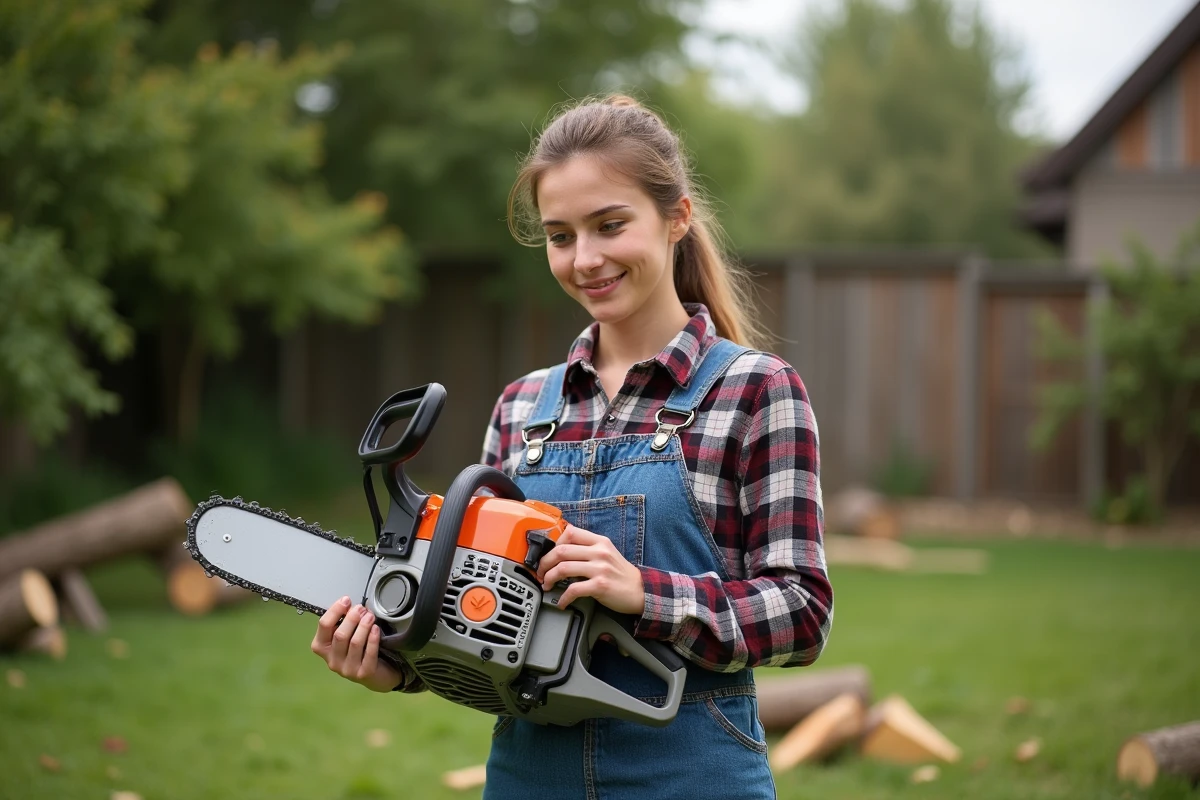
What you really need to know to choose, use, and maintain your chainsaw safely
Before getting started, it’s best to review safety points. The chain brake is not a gimmick: it protects against kickback, that sudden reaction that can surprise even the most seasoned users. Prefer a model equipped with an effective chain brake, and ensure that the guide bar is suitable for the power and type of wood to be worked on.
Ergonomics influence precision and comfort. A good non-slip handle, a well-thought-out balance: these details prevent fatigue and reduce the risk of accidents. Before each use, check the chain tension. Too loose or too tight, the chain wears quickly and the cut loses safety. Keeping a sharp chain, a clean and well-lubricated guide makes all the difference.
Some reflexes to adopt to preserve your chainsaw:
Regular maintenance avoids many inconveniences and extends the life of the tool. Remember to:
- Clean the guide, chain, and moving parts after each cutting session.
- Check the oil level and replace it according to the manufacturer’s instructions.
- Sharpen the chain as soon as the cut becomes less clean, to maintain efficiency without forcing.
- Store the chainsaw in a dry place, away from moisture, to prevent rust.
Regular maintenance is not a never-ending chore: it is the key to keeping a machine efficient and reliable, whether for garden maintenance or for more ambitious cuts. Don’t hesitate to consult specialized reviews before purchasing or for maintenance, to make the right choices at every stage.
Every chainsaw has its playground, its requirements, its promises. The perfect tool does not exist, but a thoughtful choice, sure actions, and consistent maintenance can make every cut a success. It’s up to each person to find the machine that suits them, and the forest will no longer be inaccessible.