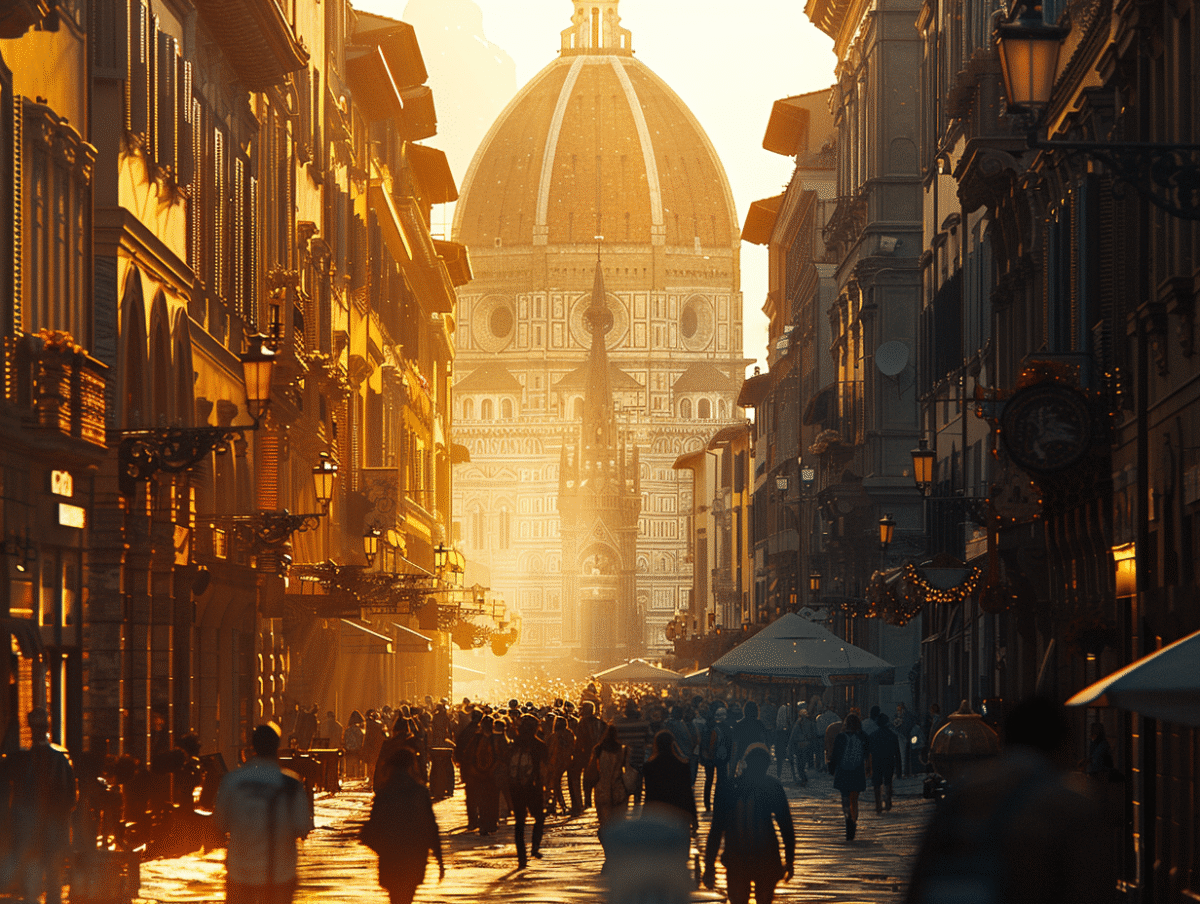
The globe is dotted with fascinating metropolises, each with its own identity and hidden treasures. Exploring cities whose names start with the letter ‘F’ offers a unique perspective on urban diversity. From the dynamic Frankfurt in Germany, Europe’s financial hub, to the vibrant Florence in Italy, the cradle of the Renaissance, and the picturesque Fukuoka in Japan, which blends modernity and tradition, this exploration reveals how history, geography, and culture intertwine to give these places their unique character and significance on the global stage.
Major cities starting with F: a global overview
The overview of major cities around the world always holds discoveries. Among them, those whose names begin with ‘F’ paint a diverse picture of the world population and the complexity of the urban hierarchy. Within Europe, France stands out with cities of high population density, but no capital starting with ‘F’, a fact that attests to the uniqueness of each country in the concert of nations.
The concept of a city has significantly evolved since the early 20th century, when metropolises began to assert themselves as centers of power and influence. A city like Frankfurt, Germany, illustrates this transformation, becoming an essential financial center and a key player in the European Union. It perfectly embodies the transition from a historic city center to a modern metropolis, capable of impacting the world population through its economic power.
These developments are documented in works such as ‘L’histoire paris gallimard’, which highlight urban development and the millions of inhabitants who cluster in these living spaces. These historical narratives remind us that the evolution of cities is inseparable from the social, economic, and cultural dynamics that have traversed the centuries.
It is important to emphasize that, far from Europe, other major cities leave their mark on the world, such as Fukuoka in Japan. This city, which has managed to combine modernity and traditions, stands as an example of growth and urban diversity. It reflects the global character of urban evolution since the 19th century, a period when cities began to adapt to the demands of a constantly growing world population.
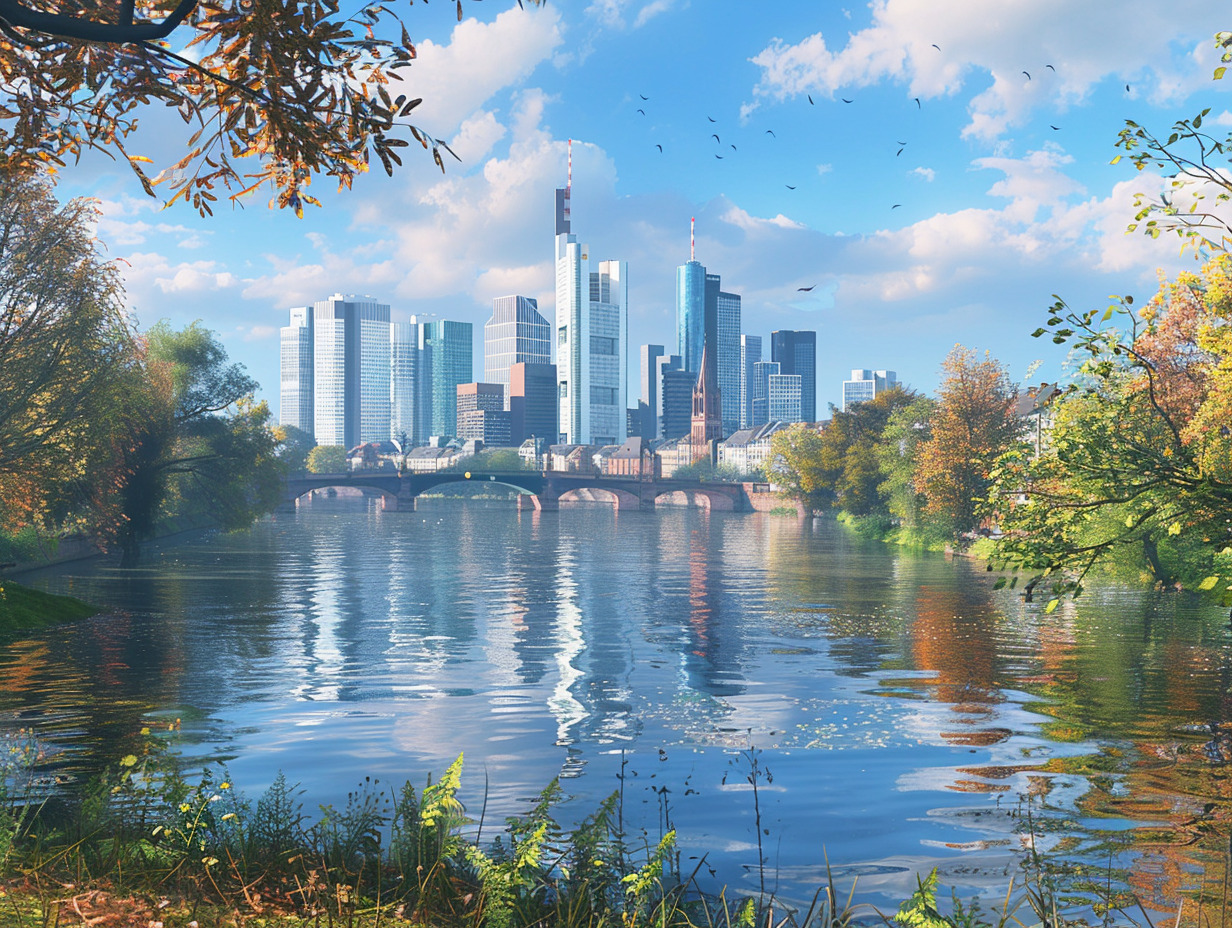
Focus on iconic cities: Florence, Frankfurt, and Fukuoka
Florence, the capital of Tuscany, embodies the essence of the Italian Renaissance. Its neighborhoods still resonate with the echoes of the masters who shaped the history of art and Western thought. A city of exceptional cultural wealth, it remains a living testament to the economy and capitalism of the 15th century, a time when the development of merchant cities profoundly transformed European civilization. Florence illustrates the unbreakable link between culture and the emergence of urban centers as symbols of power.
Frankfurt, nicknamed Mainhattan in reference to its skyline of skyscrapers and its financial vocation, has established itself as one of the beating hearts of the European Union. Its city center combines modernity and tradition, reflecting a city that has managed to rebuild itself after the Second World War. Frankfurt is also home to numerous financial institutions, confirming its status as an influential metropolis in the economic and political spheres of the 21st century.
Fukuoka, a dynamic city in Japan, stands out for its openness and innovation. Known for its city center that harmoniously blends business districts and leisure spaces, it represents the new face of Asian urbanization. Fukuoka is a model of economic integration, where traditions coexist with technological advancements, thus painting the portrait of an economic civilization in full swing amid the transformations of the 21st century.
Understanding these iconic cities is enriched by the works of scholars such as Fernand Braudel. His research, published notably by Cambridge University Press, offers insights into the evolution of economic and social systems that have prevailed from the First World War to the present day. These analyses help to grasp the challenges that have shaped cities between the 19th and 20th centuries and to understand the contemporary challenges facing global metropolises.