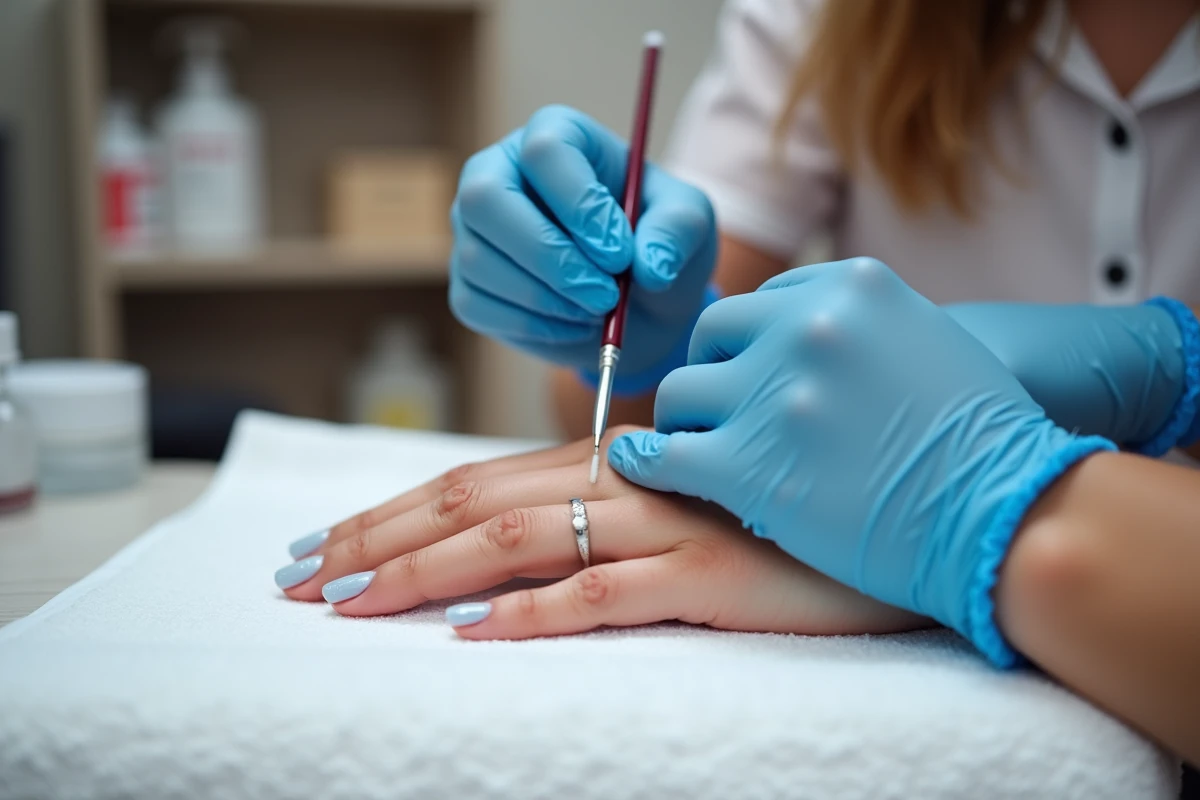
Gel nails represent a growing share of services provided in salons and at home. Their durability, shiny finish, and resistance to everyday shocks explain this enthusiasm. However, the question of effects on the natural nail keeps resurfacing, fueled by recent dermatological data that deserve careful examination.
Acrylates and Methacrylates: The Skin Sensitization Mechanism
UV gel is based on acrylate or methacrylate monomers that polymerize under a UV or LED lamp. As long as the polymerization is complete, the hardened product remains stable in contact with the skin. The problem arises when the gel is not properly catalyzed: residual monomers migrate to the periungual skin and can trigger a contact allergy to acrylates.
A study reported by the British Association of Dermatologists in 2023 indicates a marked increase in cases of acrylate allergy linked to gel and semi-permanent manicures. This phenomenon also affects very young individuals. The consequence goes beyond mere aesthetic discomfort: sensitization to acrylates can make it impossible to use certain medical materials such as dental prostheses or insulin pumps, which contain compounds from the same chemical family.
To better understand the possible damage to the natural nail, information on Annuaire Beauté details the mechanisms of alteration layer by layer.
At-home gel kits concentrate the risk. Several dermatological societies in Europe, particularly in the UK and Germany, have recommended since 2024 to avoid these kits without prior training. Poor polymerization (inappropriate lamp, too short application time, too thick layer) promotes lasting sensitization to methacrylates.
UV Lamps for Gel Nails and Cumulative Skin Exposure
The curing of the gel requires exposure to ultraviolet rays. Modern LED lamps emit in a narrower spectrum than older UV lamps, but they still produce UVA. Research published in JAMA Dermatology in 2022 shows that this repeated exposure adds to the overall sun exposure of the patient.
For individuals already at risk (history of skin cancer, light phototype, photosensitizing treatments), dermatologists now recommend hand sunscreen or anti-UV gloves before each application session. The skin on the back of the hands is thin and frequently exposed to the sun daily, making it particularly vulnerable to cumulative damage.
The available data do not allow for precise quantification of the increased risk for a person without predisposing factors. However, the precautionary principle applied by trained practitioners involves limiting the duration of exposure under the lamp and checking the power of the device used.
Weakening of the Natural Nail: Filing, Removal, and Application Cycle
The natural nail undergoes mechanical stress at every stage of the process. The preparatory filing removes part of the superficial layer of the nail plate to improve gel adhesion. Repeated every few weeks for months, this filing gradually thins the keratin and makes the nail porous, soft, and brittle.
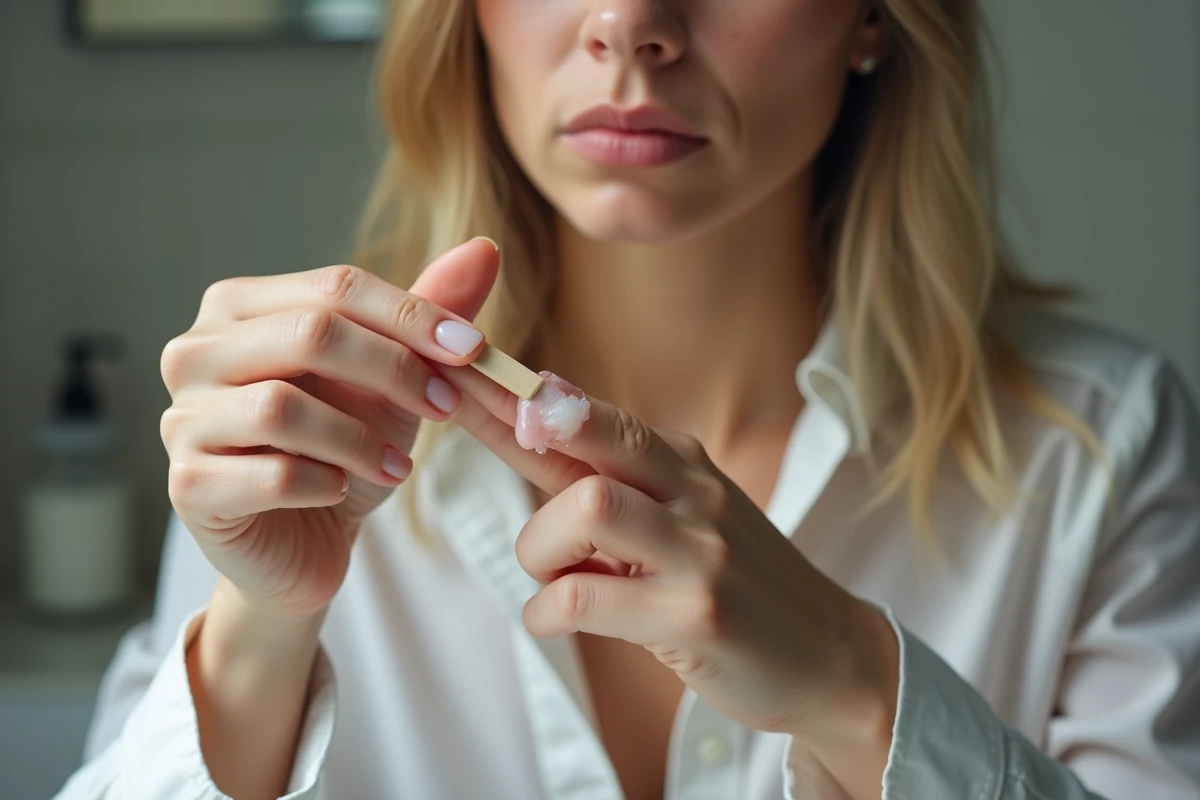
The removal represents another critical moment. The hard gel does not dissolve easily in acetone, unlike semi-permanent polish. The removal often requires vigorous mechanical filing or prolonged soaking, which damages the nail plate and surrounding tissues. Field reports vary on the actual severity of these damages depending on the type of gel used and the practitioner’s technique.
Warning Signs to Observe Between Applications
- Nails that have become translucent, flexible, or that easily split after gel removal, indicating excessive thinning of the nail plate.
- Superficial white spots (punctate leukonychia) caused by micro-trauma during filing or removal.
- Redness, itching, or small vesicles on the skin around the nail, symptoms of contact allergic dermatitis to acrylates.
- Partial nail detachment (onycholysis), often confused with a fungal infection but sometimes related to mechanical tearing during gel removal.
Reducing Risks Without Giving Up Gel: The Variables That Matter
The gel itself is not a toxic product once polymerized. The majority of documented complications arise from three combinable factors: unsuitable equipment, approximate application or removal technique, and the absence of breaks between cycles.
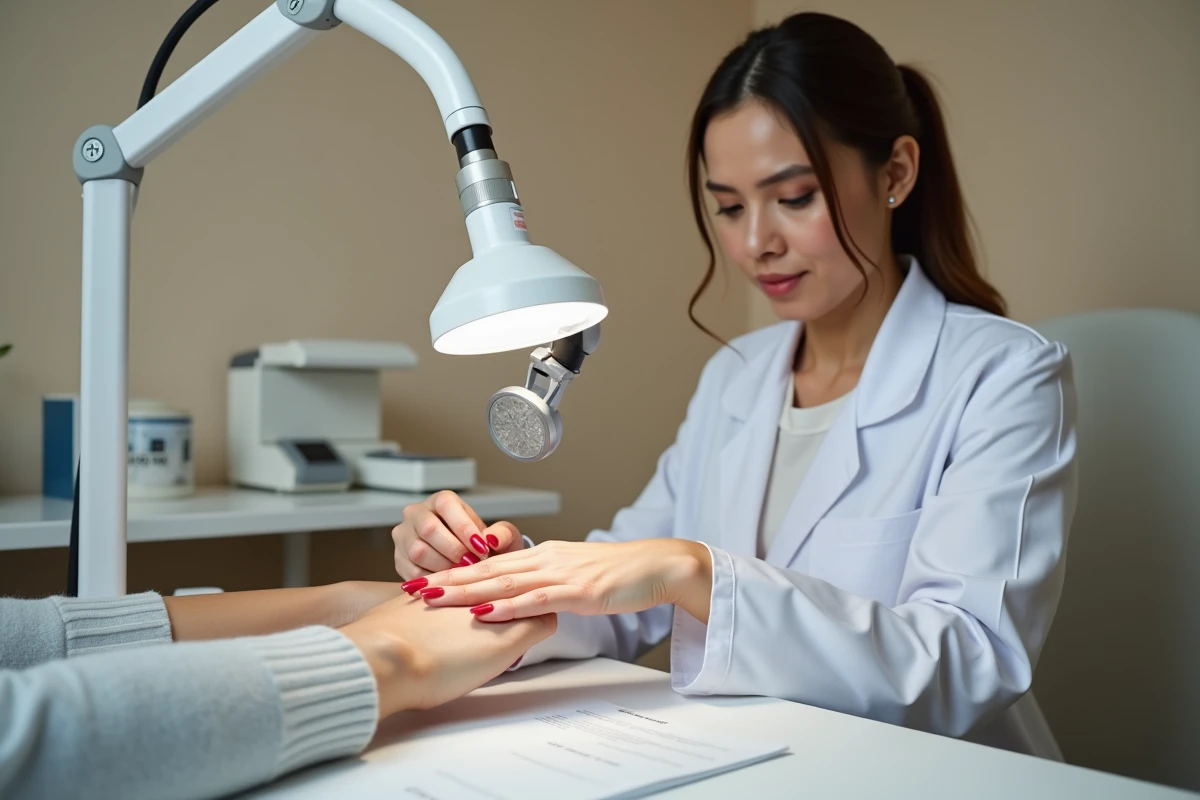
The choice of professional weighs heavily. Anses recommends consulting a qualified beautician rather than a mere nail technician, as training includes modules on hygiene and product knowledge. A trained professional checks the complete polymerization of the gel and adjusts the filing to the thickness of the nail plate.
- Space out applications by at least a few weeks to allow the natural nail to regenerate between cycles.
- Apply broad-spectrum sunscreen on the back of the hands or wear anti-UV gloves before exposure under the lamp.
- Monitor any skin reactions around the nail and consult a dermatologist at the first sign of persistent allergy.
The real trap remains the normalization of the gesture. A nail covered continuously leaves no observation window. Fungal or bacterial infections can develop under the gel without being detected for weeks, complicating treatment once the problem is discovered. Removing the gel at the first sign of pain, odor, or color change remains the most direct precaution.