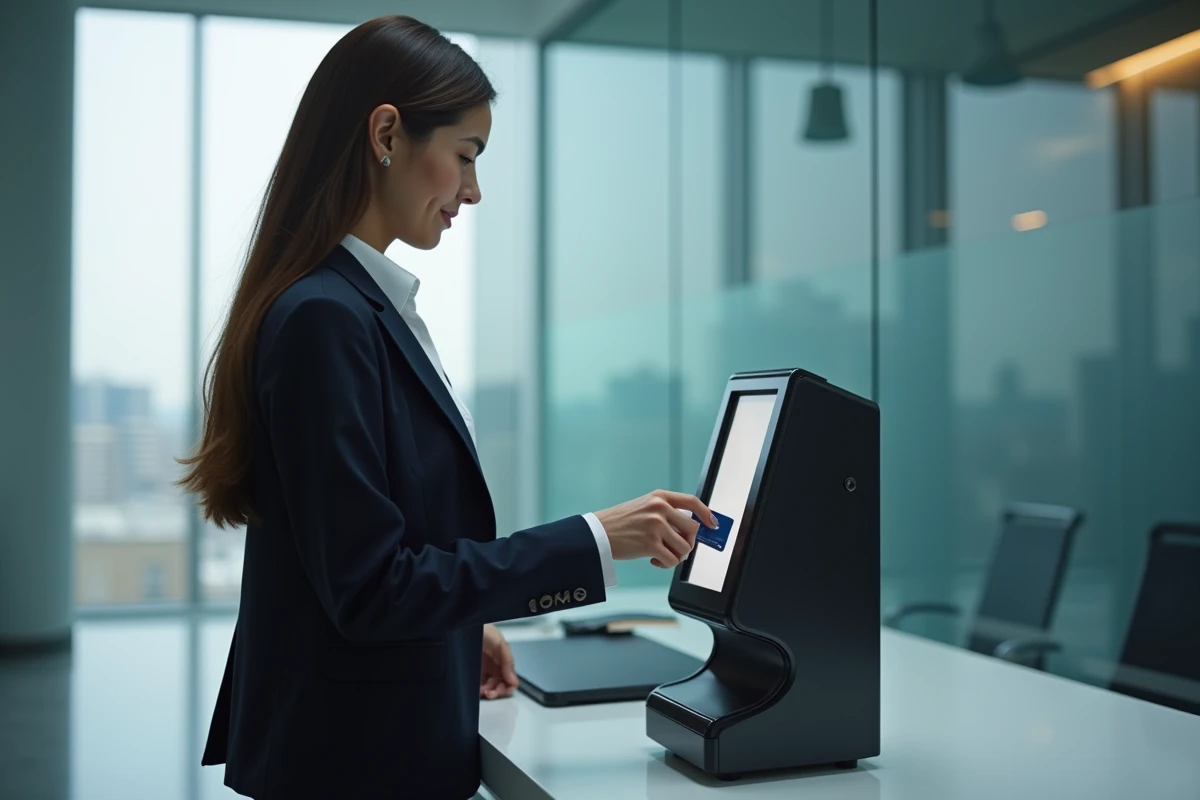
Every connection to a digital service leaves a usable footprint, yet the majority of companies continue to manage these traces according to inherited processes that are poorly suited to the scale of current exchanges. Some organizations still apply universal access rights, bypassing verification protocols.
International regulations now impose strict methods for controlling and preserving information related to digital identities. In the face of these growing demands, the emergence of specialized technologies is disrupting established practices, redefining security and traceability standards.
Understanding the stakes of identity management and traceability today
Identity management and product traceability now form the backbone of entire sectors, particularly exposed to the multiplication of flows and regulatory pressure. Without reliable identification, it is impossible to ensure data integrity or streamline the supply chain. Compliance audits then become headaches, and the slightest flaw can shake market trust. Whether for users or connected objects, tracking the life cycle of identities requires solid governance that meets modern demands.
In this ecosystem, standards play the role of conductors. GDPR, CCPA, FIDO2 protocols, or NIST, industrial standards like ISO 18000 or GS1: all impose precise frameworks for identity management and traceability, from production to the end of the chain. Complying with these references ensures smooth interoperability and security that meets the ambitions of Industry 4.0 and globalized supply chains.
Traceability is no longer limited to simple logistics: it encompasses the entire value chain. Devices such as the digital passport (DPP), the WEEE directive, or the ESPR regulation increase the pressure on life cycle tracking, particularly concerning recycling and reuse issues. In this context, everything is interconnected: identity governance, access management, life cycle management, and identity access management (IAM) solutions become inseparable.
To delve deeper into these issues and access proven solutions, it may be useful to discover IdentiTools and Kaliscab. There, you will find concrete insights and robust approaches to navigate the complexity of compliance and security.
What tools and technologies to secure access and ensure compliance?
To ensure product traceability and identity management, companies rely on a range of complementary tools. Among the key technologies, some stand out for their ability to meet distinct needs:
- RFID relies on the integration of tags, readers, and antennas connected to a robust information system.
- Barcodes offer an economical alternative, ideal for simple processes or very large volumes.
In industrial environments, the adoption of identity access management (IAM) platforms is accelerating. These orchestrate the fine management of rights: creation, modification, deletion for each user, whether they are employees or partners. Multi-factor authentication and single sign-on (SSO) are becoming the norm, enhancing security without sacrificing ease of access.
The automation of access processes, combined with the integration of IoT, transforms inventory management and flow monitoring. All of this helps to comply with references such as ISO 18000, GDPR, or GS1. The auditability of operations (creations, modifications, deletions) is a significant asset: it fosters trust and meets the strict expectations of clients regarding security and information integrity.

Overview of innovative solutions and market evolution perspectives
The identity management and traceability sector is shifting towards custom solutions, designed to integrate into sometimes complex information systems. Expectations are evolving: it is now about managing the life cycle of identities while keeping pace with regulatory rhythms. New offerings combine automation, data analysis, and predictive maintenance tools to better manage the entire value chain.
Recent initiatives, born from collaboration between industry players, research offices, and universities (such as the University of Lorient-Bretagne Sud), focus on interoperability and customization. The integration of IoT, combined with advanced identity management platforms, paves the way for dynamic and secure access administration, tailored to the strictest requirements of industrial environments.
To better grasp the levers of innovation, three structuring axes should be highlighted:
- Innovation: modular platforms, predictive maintenance, automated inventory management.
- Customization: solutions tailored to business processes, adapted to the specific constraints of each sector.
- Interoperability: close compatibility with French Fab references and global standards.
The maturity of the sector is now measured by the ability to integrate these technological bricks, orchestrate data, and ensure traceability up to the stages of recycling or reuse. Agility, compatibility with existing systems, and anticipation of upcoming regulatory developments are challenges that redefine identity management and traceability in a constantly evolving industrial landscape.