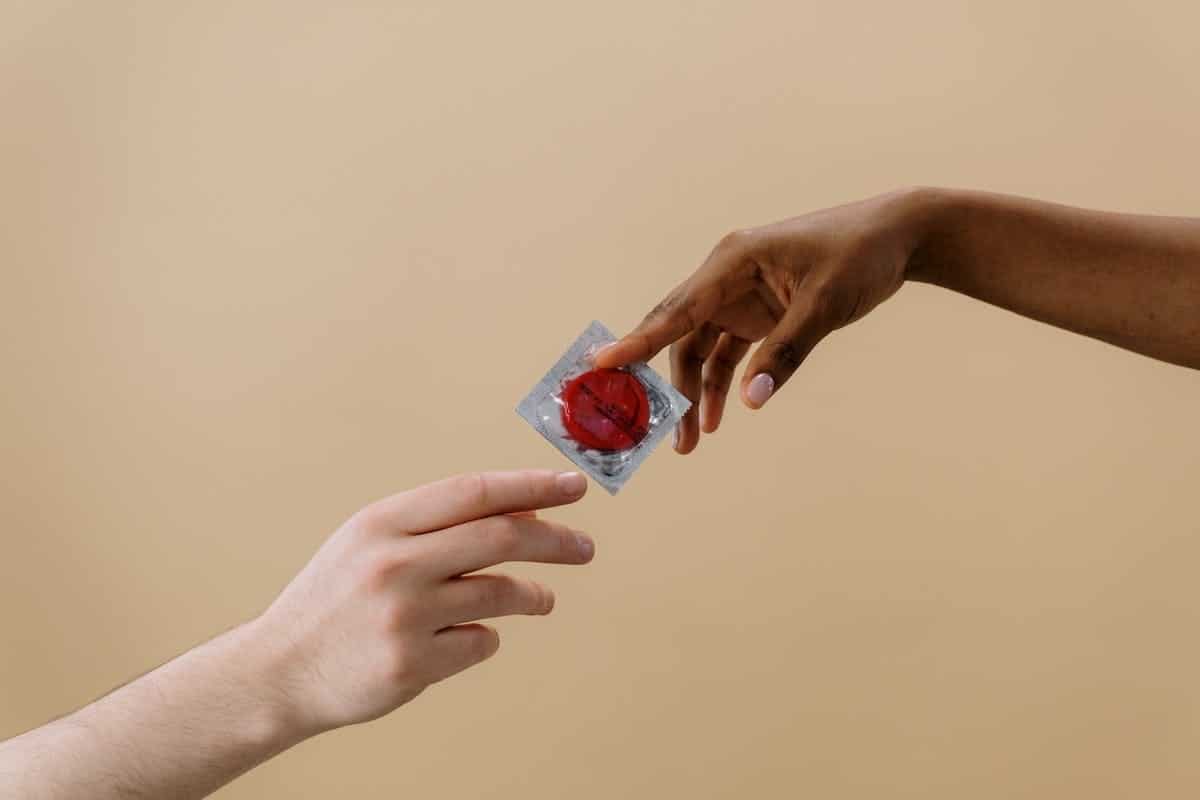
In terms of sexual health, knowledge is an essential prevention tool. Sexually transmitted infections (STIs) pose a serious threat to those engaging in unprotected sexual intercourse. Many STIs, such as HIV, genital herpes, chlamydia, and gonorrhea, can be transmitted during unprotected sexual contact. The absence of symptoms does not guarantee the absence of infection. Endangering one’s health and that of others can have serious and sometimes irreversible consequences. Understanding the risks and prevention is therefore essential.
STIs: a concerning reality in our modern society
In modern society, the importance of open discussion about sexually transmitted infections (STIs) and their prevention cannot be overlooked. However, one often overlooked aspect of these conversations concerns the risk associated with ‘semen in the eye’. This specific term describes a situation where semen • potentially carrying STIs • comes into contact with the eye.
This scenario can result from unprotected sexual intercourse or certainly during practices involving facial ejaculation. It is crucial to know that this direct interaction between semen and the eye can lead to various eye problems ranging from minor irritations to serious infections like gonococcal conjunctivitis.
Specific STIs like chlamydia and gonorrhea deserve particular mention in this context as they are likely to be present in semen. Therefore, when we talk about ‘semen in the eye’, we must also consider the possibility that it could serve as a vector for these two formidable diseases. Symptoms that may indicate an infection include redness, itching, and eye pain, as well as purulent discharge if not treated promptly.
It should be noted, however, that all these scenarios presuppose unprotected intercourse or inadequate protection such as that offered by male or female condoms during intimate activities.
The systematic use of a barrier contraceptive during sexual relations, regular STI screening • especially if you have multiple partners -, as well as open and honest communication with your partners about risky sexual practices are all essential behaviors to avoid the situation of ‘semen in the eye’.
In the event of accidental exposure to ‘semen in the eye’, it is recommended to rinse the eye thoroughly with a sterile saline solution or simply with warm water before quickly consulting a medical professional.
In our modern society, understanding all aspects related to the transmission of sexually transmitted infections remains crucial for leading a healthy and responsible sexual life. The ‘semen in the eye’, although less common as a transmission route, should certainly not be overlooked in this discussion.

STIs: knowing the types and how they spread
Sexually transmitted infections (STIs) are a major public health concern. They primarily spread through unprotected sexual intercourse, but it is important to identify the different types of STIs and their modes of transmission to better understand the associated risks.
Chlamydia is one of the most common STIs. It is caused by the bacterium Chlamydia trachomatis and can be transmitted during vaginal, anal, or oral intercourse with an infected person. Symptoms may include abdominal pain, abnormal discharge, a burning sensation during urination, and bleeding between periods.
Gonorrhea, also known as ‘the clap’, is caused by Neisseria gonorrhoeae. It can be contracted through various types of unprotected sexual intercourse with an infected partner. Warning signs include unusual discharge from the penis or vagina, pelvic or testicular pain, as well as anal itching.
The human papillomavirus (HPV) is another widespread STI that can be transmitted through direct skin-to-skin contact at the genital level. Some specific types can cause genital warts, while others are associated with an increased risk of developing certain cancers such as cervical cancer in women.
The genital herpes infection usually results from oro-genital, genito-genital, or ano-genital contact with a person infected with the herpes simplex virus (HSV). Symptoms include painful sores, blisters, and ulcers in the genital area.
Syphilis is an STI that can spread during unprotected sexual intercourse with an infected person. It is caused by the bacterium Treponema pallidum.
STIs: what dangers do they pose to our health
The potential consequences of STIs on health can be serious and varied. In some cases, these infections can lead to short-term complications, while others may have long-term repercussions.
Among the immediate risks associated with STIs are urinary infections, pain during intercourse, abnormal bleeding, or inflammation of the cervix in women. In men, some STIs can cause inflammation of the prostate or testicles. Unpleasant symptoms such as itching, pain, and discharge are also common.
It is important to understand that some STIs do not always present visible symptoms. This means that a person can carry an infection without knowing it and continue to transmit the STI to their sexual partners.
In the long term, some untreated STIs can have serious consequences for overall health. For example, undetected and untreated chlamydia can lead to pelvic inflammatory disease (PID) in women. This can cause infertility or increase the risk of ectopic pregnancy.
Untreated gonorrhea can also cause PID as well as chronic pelvic inflammation that increases the risk of infertility in women.
HPV is known to significantly increase the risk of developing cancers of the cervix, anus, throat, and other parts of the body.
As for genital herpes, although it is not considered a life-threatening threat in itself, it can cause recurrent pain as well as serious complications in individuals with weakened immune systems.
STIs after unprotected intercourse: what to do if in doubt
If you have doubts about a possible sexually transmitted infection after unprotected intercourse, you should take certain steps to protect your health. Here are some steps you can follow:
Consult a healthcare professional: As soon as you suspect an STI, you should quickly consult a doctor or an infectious disease specialist. These experts can assess your symptoms and perform the necessary tests to confirm or rule out the presence of an infection.
Get regular screenings: Even if you have no specific symptoms, it is recommended to undergo regular screenings for common STIs such as chlamydia, gonorrhea, and HIV. These tests can be done at health centers or specialized clinics.
Communicate with your sexual partner: If you have had unprotected intercourse with a recent partner, inform them immediately of your suspicions so they can also consider a medical consultation and get tested if necessary.
Avoid all sexual contact until a full evaluation: In the interest of your own health as well as that of your potential partners, it is imperative to avoid all sexual contact until the infection has been properly diagnosed and treated.
Carefully follow the healthcare professional’s recommendations: Once you have consulted a doctor, make sure to carefully follow their advice and instructions. This may include taking medications, specific hygiene measures, or using condoms during future sexual intercourse.
Inform your previous partners: If you are diagnosed with an STI, you should notify all recent sexual partners so they can also get tested and treated if necessary.
Remember that a quick response to a suspicion of sexually transmitted infection is essential for your own well-being as well as that of those around you. Prevention remains the best way to avoid the spread of STIs, so be vigilant and take appropriate measures if needed.